
Driving Successful Organizational Change: The Role of Adoption in Achieving Long-Term Sustainability
Author: Cameron Duncan

Article Context:
A common myth of OCM (Organizational Change Management)is that it is sending emails, scheduling training, and checking the boxes to say, “We had a change plan,” just in case the effort did not yield the expected outcomes. The purpose of OCM is not to follow standard processes or ensure that PMs complete a suite of Excel tools, but to deliver positive, impactful changes in environments that are often complex, messy, and ever-changing. OCM is not a one-size-fits-all checklist; it is a commitment to align with the vision for change and do what is necessary to help people adopt the behaviors needed to realize impactful, long-term change.
There are three common underestimated elements of change. The most impactful element of achieving adoption is connecting a strong “why” that can serve as a foundation for why the pain, energy, and urgency of change are worthwhile. It seems simple, right? But this is often the first place that the train to adoption goes off the rails. The “why” needs to connect to people’s actual roles and contributions. A true reason is not standardizing processes or being more efficient. How does your why link to your missions, your products, organizational, and team goals?
Next, you need to establish what adoption is. Hint: It is not Go Live. What are your measurable and realistic objectives? You will also need to account for applicable learning curves. It is not expected that people who have been following the same process or using the same system for the last 5-10 years will be as proficient or productive in the new state on Day 1 or Week 1. Change is a process that requires consistency, commitment, and continuous monitoring.
The evaluation of change success extends beyond the celebrations of Go Live; it takes time for people to be comfortable and proficient in new behaviors. It is also integral to monitor progress and develop new best practices to optimize and stabilize change.
Removing obstacles is also critical to adoption. Those obstacles can include information gaps, knowledge gaps, organizational dynamics, time and resource constraints, or conflicts.
For example, if organizational goals or merit rewards conflict with desired behaviors, people will resort to behaviors, systems, or processes that yield personal rewards. Imagine spending millions of dollars to implement a new system, only to have leadership continue to expect reports from the old one. Smart organizations make this mistake consistently by focusing on launch over adoption. Adoption is not only critical to organizational budgets and business objectives; it is also necessary to build trust and a culture that supports organizational change moving forward. When people see change efforts yielding results, it is easier to trust that future change initiatives will also be effective and to trust the change process.
Adoption is the key to sustainable change. To achieve adoption, you will need the people impacted by change to be engaged and committed to success, understand how to operate in the future state, and remove any barriers that could impede progress or the long-term viability of the change.
Organizational Change Management is a component of Organizational Psychology, which studies how people behave in organizations. Organizational behavior is not always that different from individual behavior. Personal changes are often difficult. Every new year, people make resolutions that are often abandoned by March. People do not give up on their resolutions because they are lazy; they give up because they often have not established a strategy for adoption and sustained success. The most common New Year’s resolution is to exercise more, followed by saving money. Both resolutions are non-specific and difficult to adapt to.
Ready to turn change into a lasting impact? Connect with Compliance Group’s OCM experts to foster strong adoption, align your teams, and create a sustainable transformation that delivers measurable results. Let us collaborate to ensure your change initiatives lead to long-term success.
For more information or if you have any further questions, reach out to us at info@complianceg.com
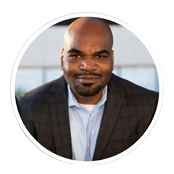
Author:
Cameron Duncan - OCM Consultant
Cameron C. Duncan is a technology leader focused on helping organizations apply AI, data, and workflow automation to improve business performance. He specializes in transforming people, processes, and systems through scalable operations, supported by strong Organizational Change Management (OCM).
Submit the form below, and our expert will reach out to assist you!

